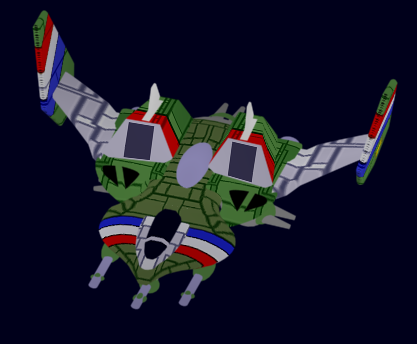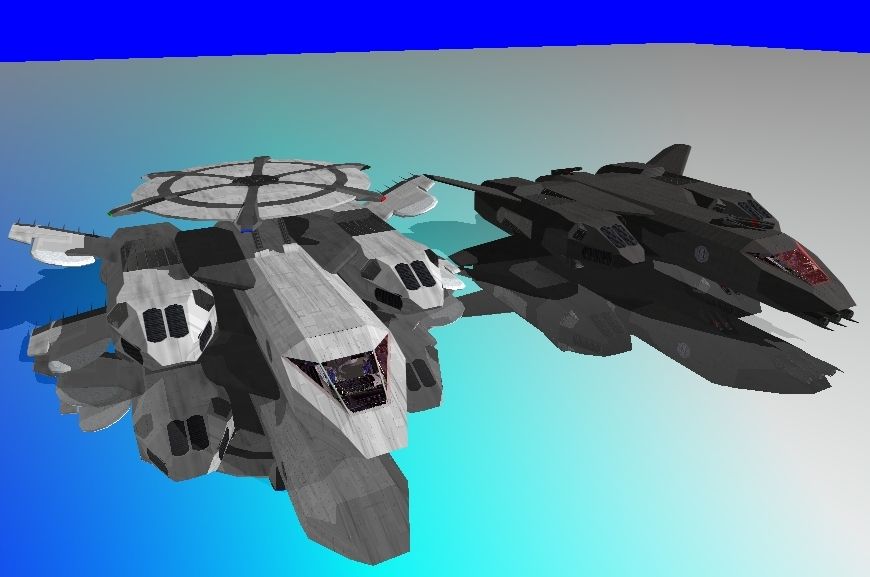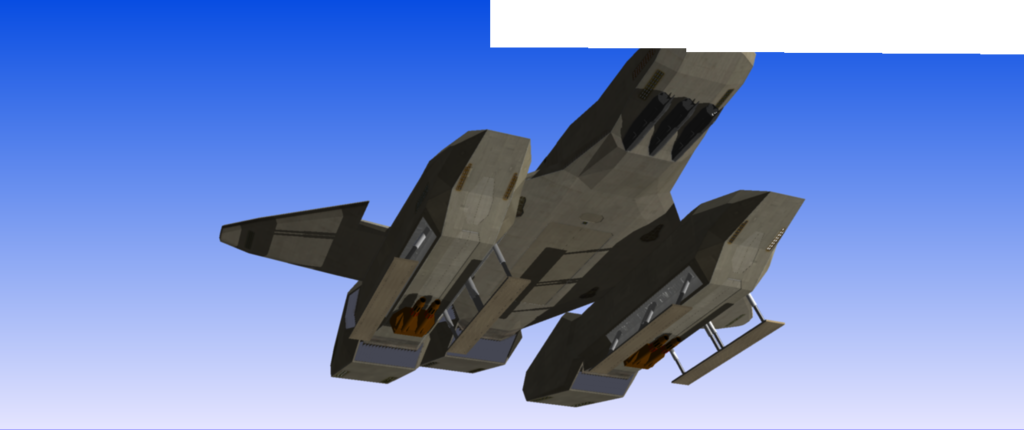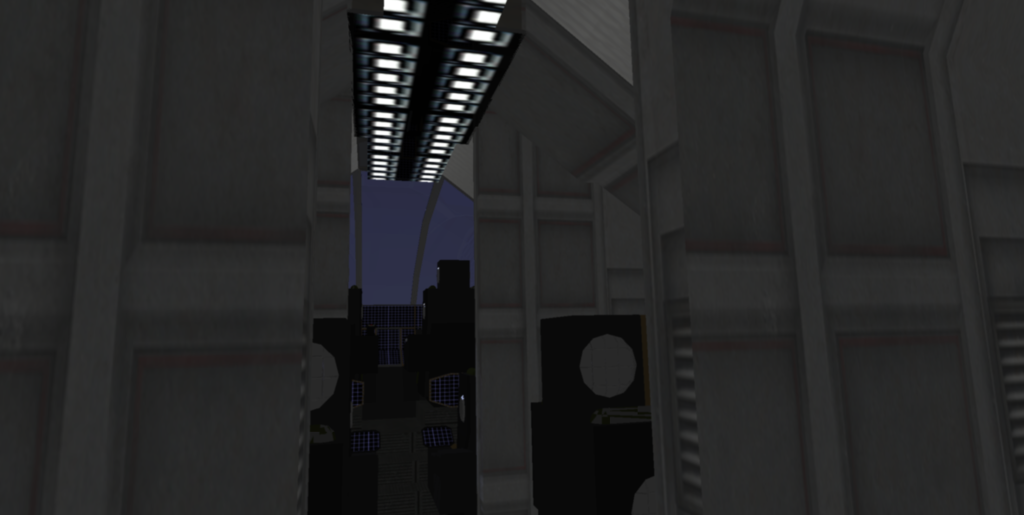
Welcome

Welcome to the official website of Noble Storm Books and author S.F. Edwards
Showing posts with label On Dagger's Wings. Show all posts

Friday, May 22, 2015

Design Day: Feral Bomber


Sorry for the lack of updates.  There has been a lot going on in my personal, professional, and writing life that has kept me from making regular updates.

So for today's irregular update, I offer up a design day following the development of another iconic Spiral War design.  This time, the Feral-F Bomber.  For those here who have read Spiral War: On Dagger's Wings, and if you haven't read it, get to it, you know the importance of this craft to the plot and our protagonists personal tale.

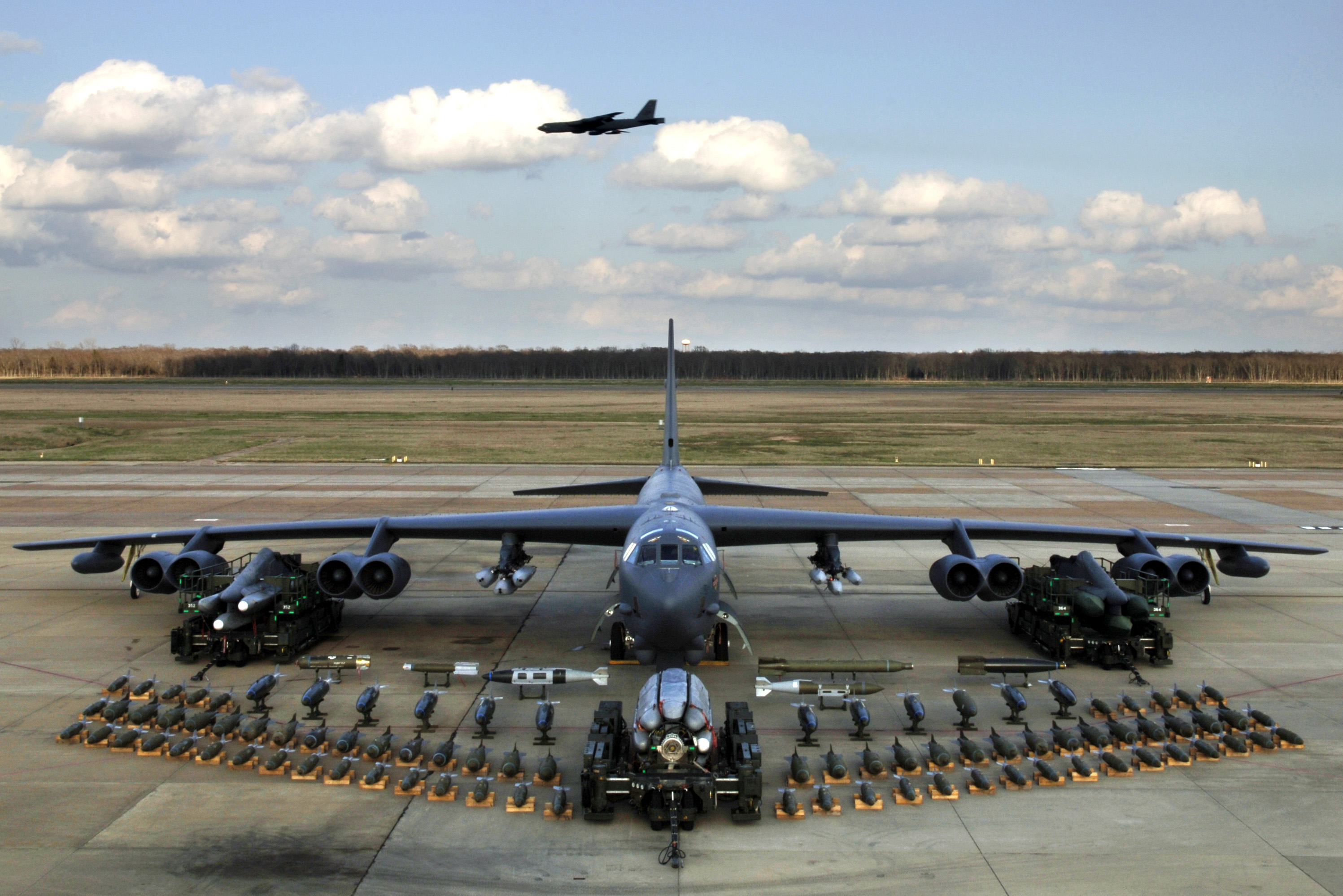
The inspiration for the Feral Bomber came from two sources.  The first was an old Mega Force Toy, the Strike Master Orbital Attack Shuttle's Booster.  I loved the configuration, and thought it would be great for spaceborne bomber craft.  The other craft that served as inspiration was the venerable B-52 Stratofortress.  Like the B-52, the Feral is intended to have a long and storied career, serving throughout the UCSB-GF conflict.

 I originally designed many of my craft using paper and pencil, and unfortunately most of those drawings are now gone.  If I can find them, which is doubtful, I will scan and attach the image.

I then transitioned to CAD back in the mid-90s and redrew the designs in TurboCAD.  While I still have most of those files, I cannot access them anymore, the version I used back then is too outdated for any program I have to read the old 2-D drawings.

Then in the late 90s I started using AUTOCAD.  While I have again lost most of those early images I do have some of early redesigns.

Feral-F Bomber, Circa 1997
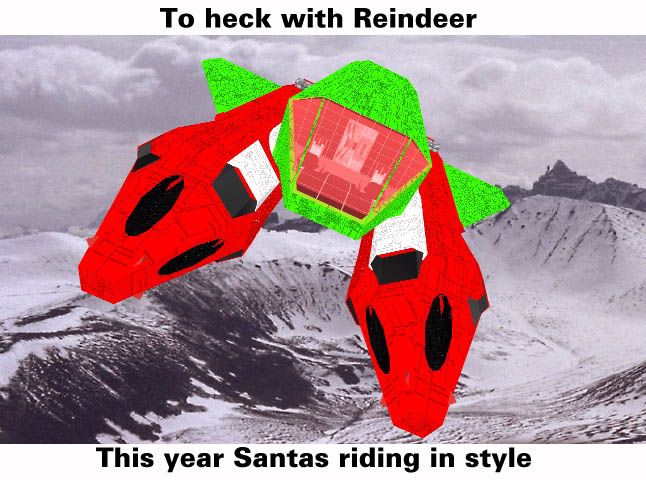
The 1999 Spiral War (then Infinity War) Christmas Card featuring the Feral Bomber of the time with festive textures.  I made these for about 5 years, wonder if I should start them up again.
The original design kept with the Strikemaster tri-hulled design, but added torpedo tubes to the front end and a giant cockpit.  It also featured three turrets for self defense; one to each side and another in on the tail.  The craft also featured three gatling mass driver cannons under the cockpit for attack.  I played a lot of Wing Commander at the time and the Broadsword bomber served to inspire the design as well.
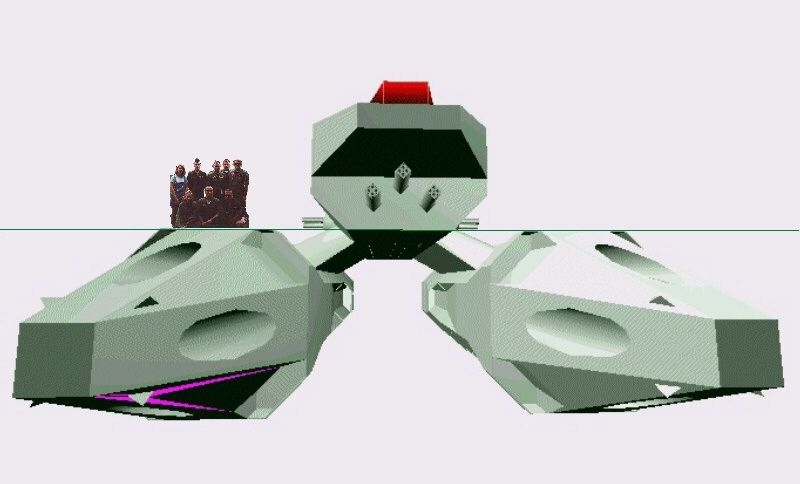
Featuring some old friends on the nacelle, and eight tubes of torpedo spitting death.
Wing Commander was a great game.


As I gained skills at texturing reworked the design slightly mostly by chamfering the nose up so that it was slightly more aerodynamic, just slightly.
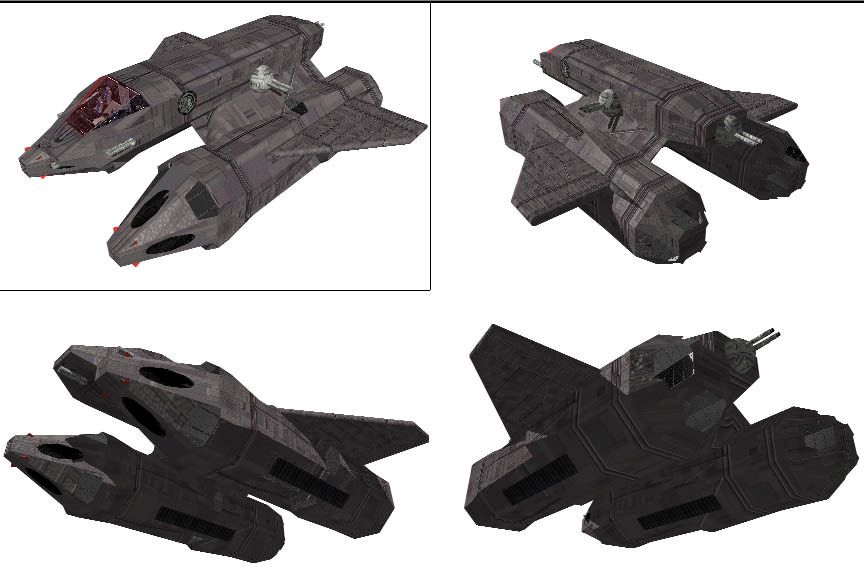

Getting There.  The Major Salient features are there, but she just isn't the Feral, Yet.

These textures were not created by me, but served to show the direction that I wanted the design to take.  Now, the design, at this point, had some serious issues.  Those massive low slung engines and weapons nacelles would lead to major thrust imbalance and pitch up issues.  

Feral-F Bomber, Circa 2003
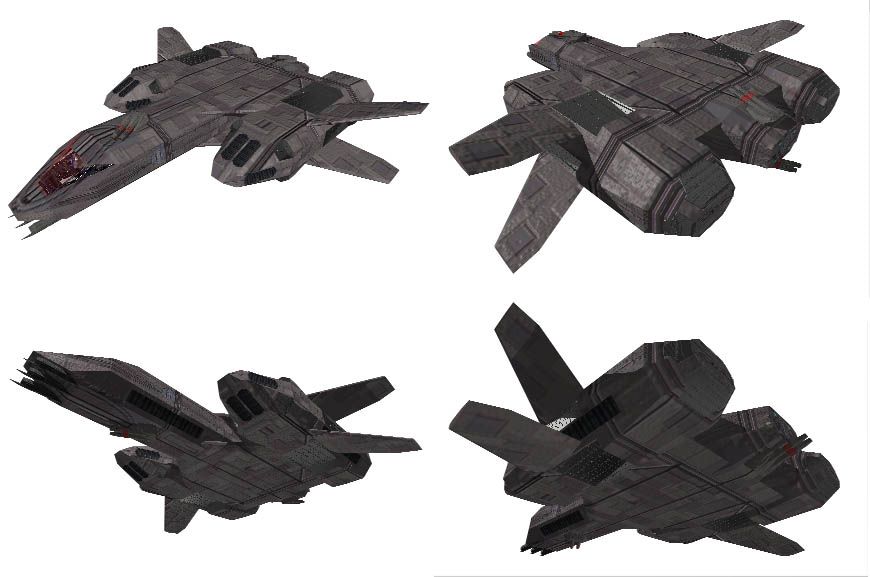
A radical departure in the design that eventually led to something else entirely.
Keeping the "borrowed" texture of the previous version I tried to come up with a more aerodynamic, and therefore faster, Feral-F Bomber.  The design did not go over very well with my friends, whoudl were my only fans at the time.  It was too generic, and didn't carry the weight of the old design, nor did it stand as well as an iconic symbol.

That didn't stop me from creating some variants however, including a Spaceborne Warning And Control Systems (SWACS) version.  Or a retextured version.

I always quite liked the SWAC Varaint, Just need to get around to giving the new version the treatment.


Then as a joke, I imagined a bomber that I christened the Untamed, it was a ridiculous design that carried dozens of torpedoes in two massive nacelles.
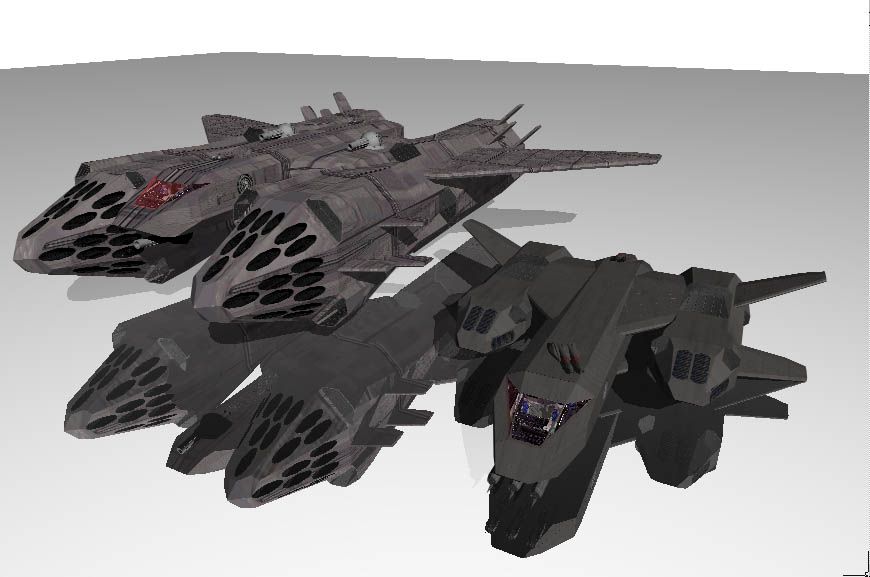
Count the Tubes, the Untamed carried 72 torpedoes in ready to launch tubes.  The Feral here, only 12.
While ludicrous in size and design, it did inspire the next redesign.

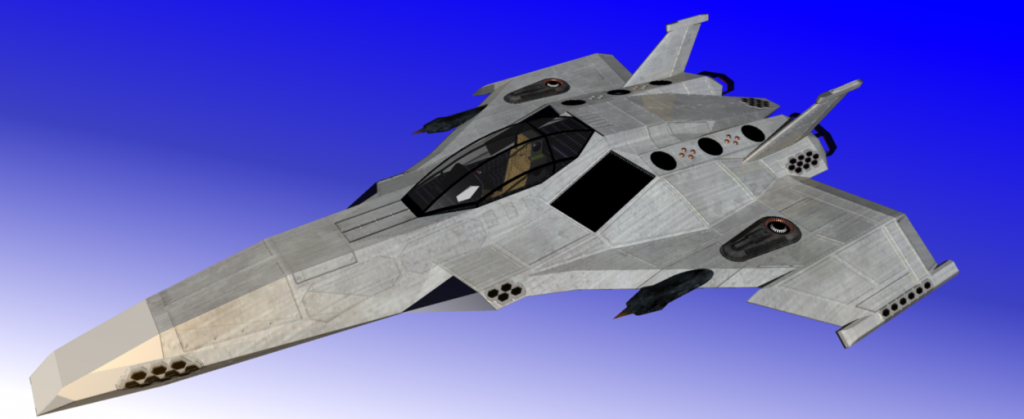
Feral-F Bomber, Circa 2010

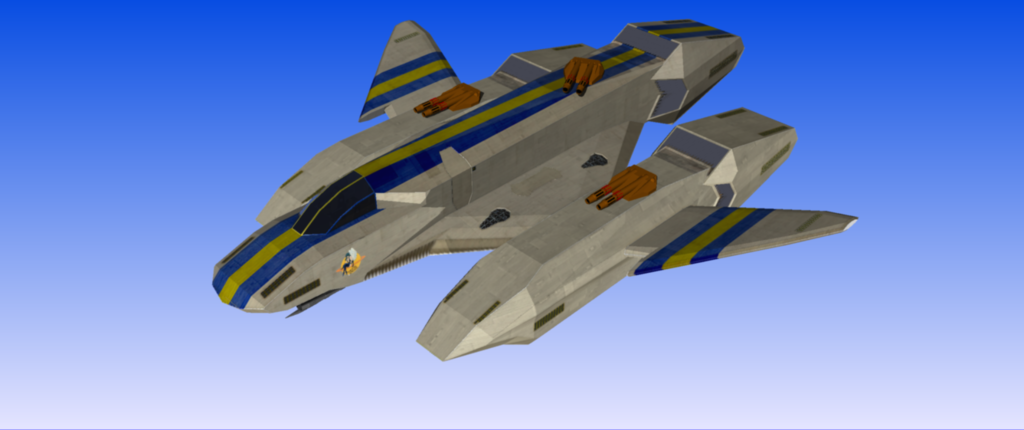
5-Views of a deadly bomber
The Feral-F redesign would kick of my redesign launch of most of my craft in 2011.  For this rendition I wanted to go back to the roots of the design, and the triple fuselage.  In order to do that I had to correct of the thrust imbalance issue, that was easy enough to get over, I added engines to the upper, central fuselage.

On this design you'll also notice that I finally added maneuvering thrusters.  These were a long overdue addition.  Additional turrets graced the underside of the nacelles, giving a total of five, and adding much needed lower hemisphere coverage.  I also cut a bomb bay into the central hull, and as on the previous design added doors to conceal the torpedoes behind.
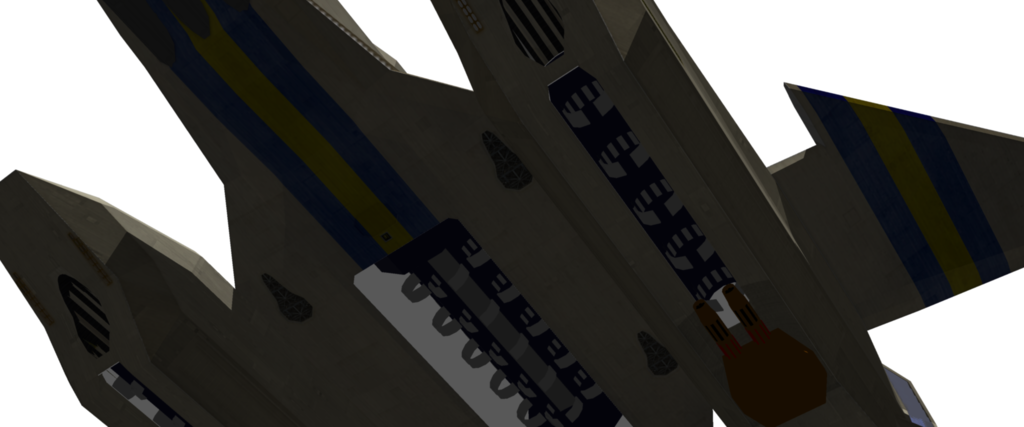
Each Rotoary launcher carried 6 Torpedoes, so the Feral can carry up to 18.  The central bay can also house other bombs for planetary attack missions.
Though hard to see here, the design now featured a rotary launcher for the torpedoes, much like that of moden bombers, like the B-1B and B-2 Stealth Bomber.

Landing Skids, deployed.

When it came time to texture the ship I wanted to give it an iconic look, and what is more iconic than Invasion Stripes?

What nose art?
With this redesign I also wanted to finally show some details that no other designs had.  In this case the Generator for the Electro-Magentic Toroid (EMT) Shield.  Even though it is almost always covered, it is there, an serves as a nice detail.  There are two of these, one buried in each nacelle arm between the ion screen  ports, and Gravitational Shield Emitters.
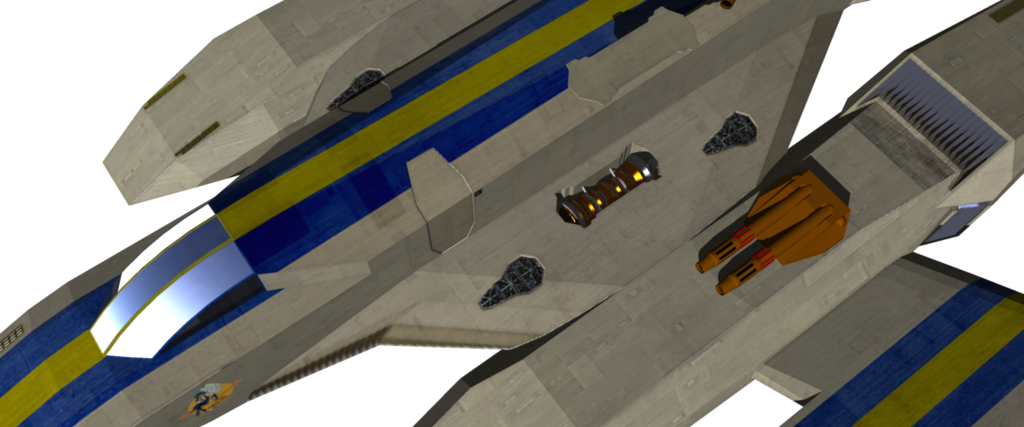
Shield Generators and hatches.  The two main crew hatches are visible here, as are the escape hatches, though not as clearly.  You can also see some discoloration ahead of the engines where the reverse thrusters have messed with the paint.

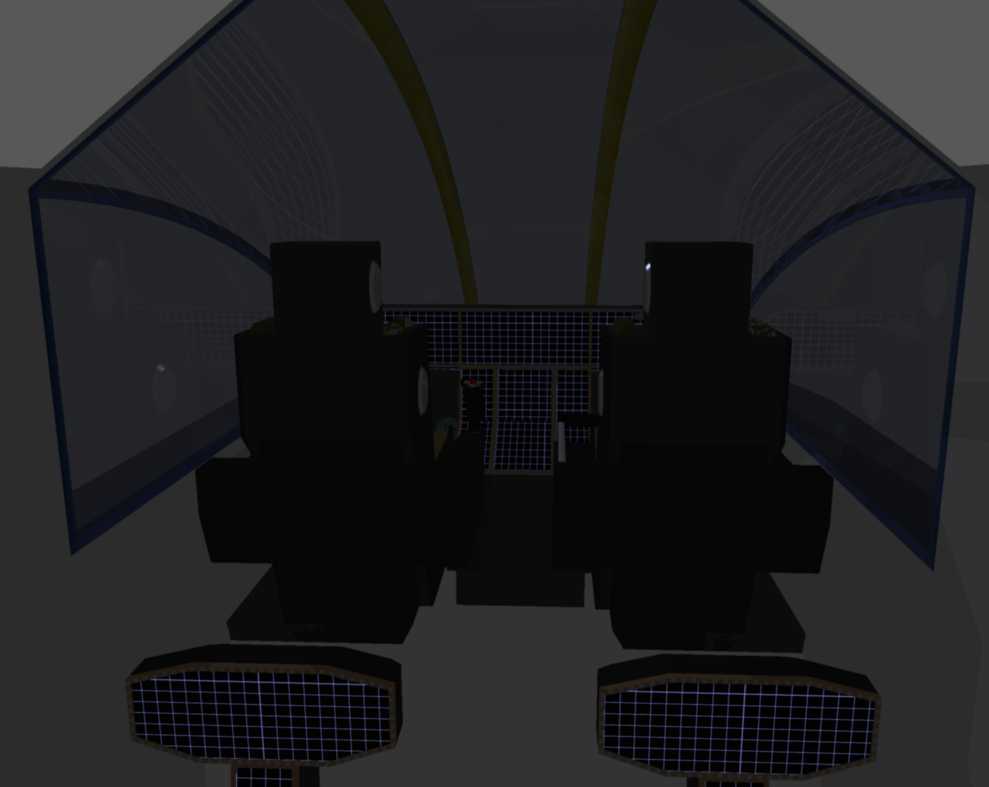
Another area  that got a fair amount of detail was the cockpit, though these pictures are not the best, sorry I need to redo some old renders.

There is a lavatory/rest space below the cockpit (not pictured)
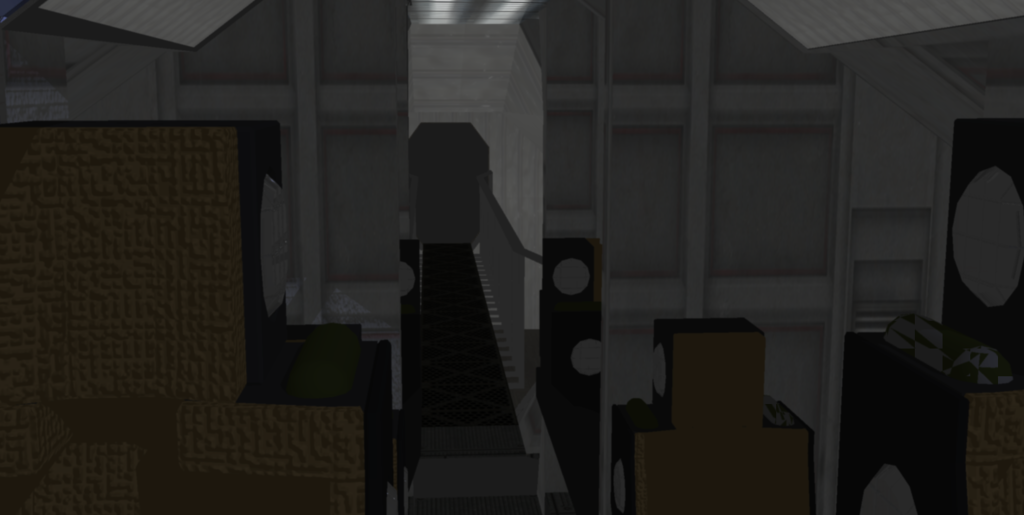
Looking Aft, the Feral has seating for six flight crew, including the gunners.


Cockpit Interior, definitely needs new textures applied.

The engines even received a fair amount more detail, which illustrates the power of the craft.  Something this big has to have some serious power to move with any kind of respectable velocity.
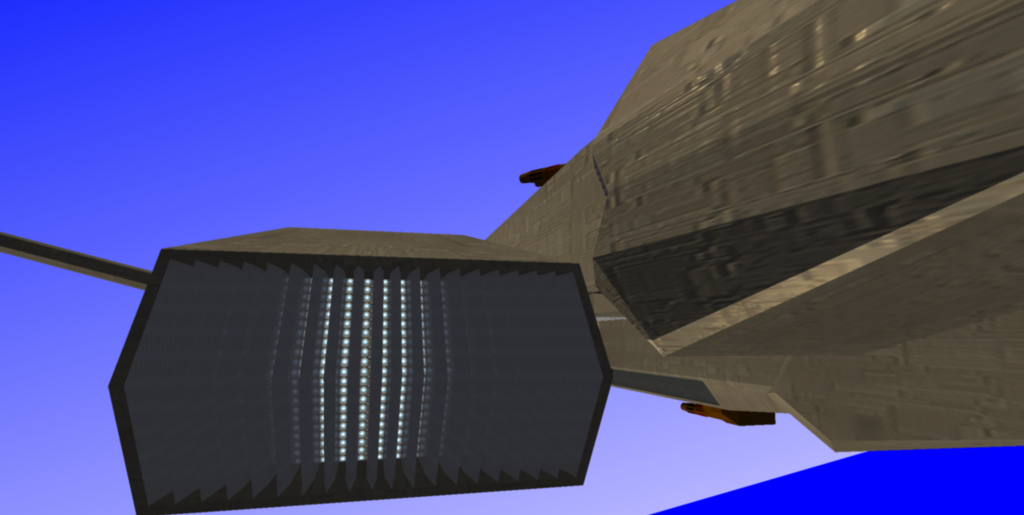
In the words of Tim Allen, MORE POWER!!!


Saturday, March 7, 2015

Design Day


So I have not been able to keep up a daily blog posting schedule, not yet anyway.  I am therefore going to shoot for at least a weekly if not a bi-weekly update schedule.

For today I'm going to talk design.  Maybe it's because I'm an engineer by training but bad and/or inconsistent designs have always bugged me.  I will not say that my own designs are perfect but I have always tried to keep my designs consistent and believable.

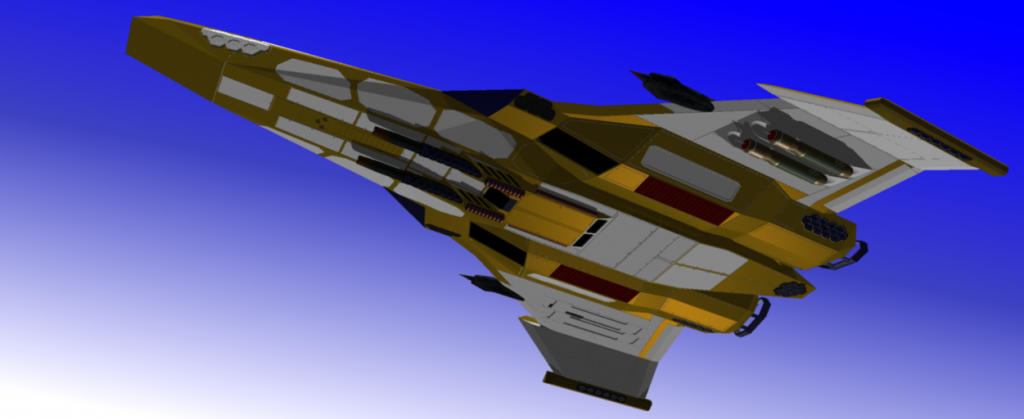
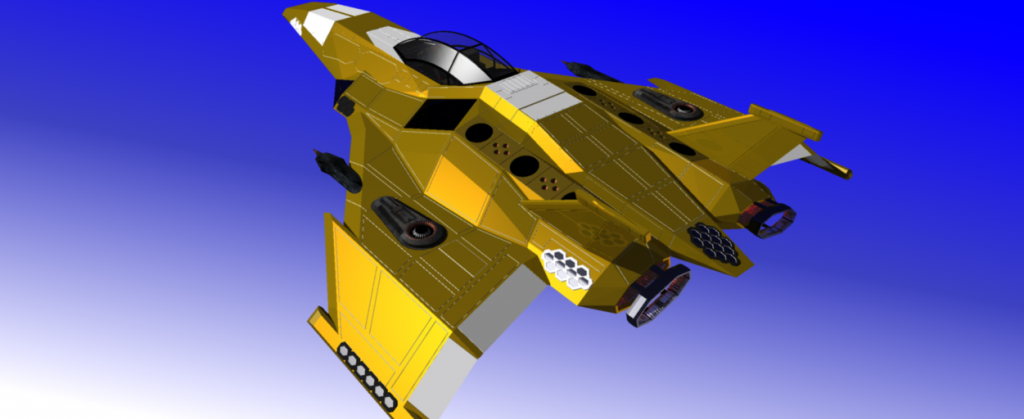
For this design day post I'm going to go over the progression in design of one of my own craft.  The Splicer-1000 "Dagger" fighter/trainer that plays such a critical role in Spiral War: On Dagger's Wings.

My original inspiration for the Splicer 1000 was a cross between the venerable X-Wing fighter from Star Wars and the proposed delta wing X-15 rocket plane.  I wondered what it would would look like flipped over and with a delta wing instead of its trademark split wings.


I originally designed many of my craft using paper and pencil, and unfortunately most of those drawings are now gone.  If I can find them, which is doubtful, I will scan and attach the image.

I then transitioned to CAD back in the mid-90s and redrew the designs in TurboCAD.  While I still have most of those files, I cannot access them anymore, the version I used back then is too outdated for any program I have to read the old 2-D drawings.

Then in the late 90s I started using AUTOCAD.  While I have again lost most of those early images I do have some of early redesigns.

Splicer 1000, Circa 1998.

The overall design was locked in earlier than this, a delta winged single seat light fighter with a mid-fuselage mounted cockpit, with twin engines, fuselage mounted weapons (story concession) and wing mounted missiles (in the pods).  It also features obvious thermal radiator wrapped around the engines and sensors in the wingtips.  
The texture maps here were cribbed straight from the old X-Wing alliance game.  I had no skill with them at the time, and it shows.

Splicer 1000, Circa 2001


The overall design here is not much changed, but I attempted to add details and some realism via textures and subtle additions.  The craft now features maneuvering thrusters in the nose and wingtips, along with runners of the cockpit to open and an actual cockpit interior.  The reverse thrusters are still pretty rudimentary but I added some basic maintenance hatches, the landing gear bays, and moving control surfaces for atmospheric flight.

Splicer 1000, Circa 2003


In 2005 I upgraded my autocad package and with it began a serious redesign effort of all my craft.  For the Splicer 1000, I wanted to start from the ground up and threw out the whole design, but endeavored to keep the major salient features, final result seen above.  I kept the delta winged design, but made it more of a cranked arrow similar to the F-16XL.  I also gave the outer section an anhedral, dropping it down.  The inakes of the earlier design are gone, replaced with simple reverse thrusters.  And I added a ton more maneuvering thrusters, this are space fighters and with damage expected I wanted plenty of redundancy.  I also redesigned and moved around the weapons, keeping the plasma laser cannons on the belly, and added new external missile hardpoints.

But it didn't start out that way.


Around this time is when I first really started documenting my design work.  This is how the design started, a grey blocky mess.
In short order I gave it a quick yellow color scheme to match with the standard cadet colors I described in the novel, added weapons, chamfered the wings to give them a more realistic shape and replaced the ovoid cockpit with something more angular and framed in looking.
In short order I darkened the color and shifted around the weapons, burying the larger cannons in the wings and I added the docking claw hardpoints to the engines.  These were something I always toyed with.  The fighters could launch or "land" on their motherships via arms that would extend and hold them in place.  Power could be recharged, fuel tanks filled, as well as life support systems.  I also cut in the reverse thrusters.


Next came the first version of the thruster emplacements and the moving of the Plaser cannons to a better location, that also fit the book narrative better.  There is also a vertical stabilizer there and the early wingtip sensor pods, upon which more thrusters are emplaced.
The landing gear came in next, which necessitated redesigning some of the thrusters and their placement.  Even is science fiction design compromises take place, at least if you want to maintain a sense of realism. 
Inert Training Missile:  Tactical Round Simulator (TRS)
Speaking of realism, these missile simulators for the trainer version are actually based on the CRS/PRS RAM simulators I helped to design during my time working at NAVSEA PHD.
Electron Particle Cannons (EPCs)

Plasma Laser (Plaser) cannons.


While on the subject of weapons, check out these close ups on the guns.  Notice all the thermal radiators built into each one.  Weapons in space will get hot, and they need expel that thermal energy away somehow.

At this point, the design has pretty much come together, complete with cockpit.  Now comes the DETAILS.


This shot does a good job of showing all the panel lines I cut in to make the craft look more user and maintainer friendly.


Finally come the textures. These really help the design come to life, showing wear and tear and dirt marks show that a craft is used and real.  Now, notice how there are no giant thermal radiators in this design?  For this generation of designs I changed my text base, the wings help serve at the thermal radiators as do the thrusters themselves when not in use, and internal heat sinks.

Beauty Shots.


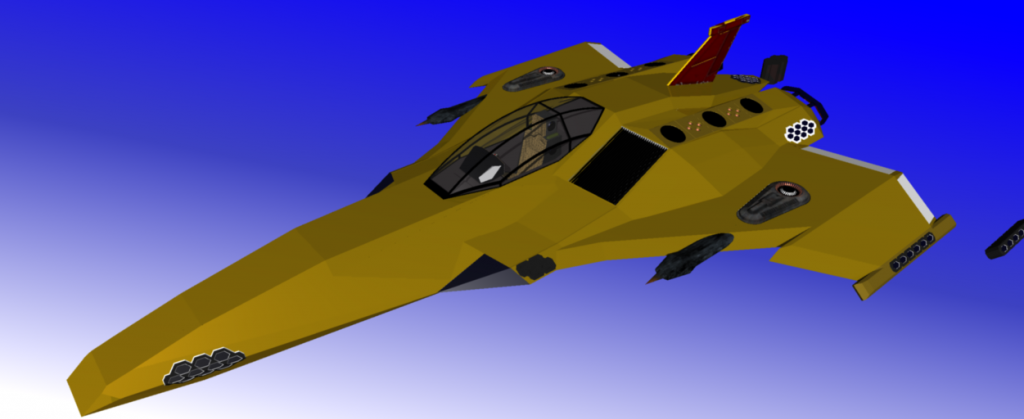
Splicer 1000 Circa 2011-Current

Round about 2011 I decided to redesign my craft once again.  I had just completed re/modelling some of my enemy craft and now the hero craft didn't meet the same standards.  Also, the means by which I textured the craft had changed too, and the old method made it a serious pain to change color schemes.  As these things do, the redesign started small.  I like most of the old model, so I wanted to preserve it as much as possible, but change the parts that bugged me most.

I started by stripping away the old engines, but kept the parts on them that were most important, in this case the docking points.


From there I cut in a new, blended fuselage and engines.

A whole lot of cutting and chamfering later and I added the docking points back in, though they are angled this time.


This highlights one of them major design changes, the engine size and shape.  I went with a more octagonal exhaust this time with more details inside the engine itself.  See the old jet engine style exhaust on the old engine to the right.


With the main engines redesigned also adopted this clamshell design for the reverse engines.  This cleans up the profile of the ship for atmospheric flight and still allows a measure of thrust vectoring of the plasma exhaust.


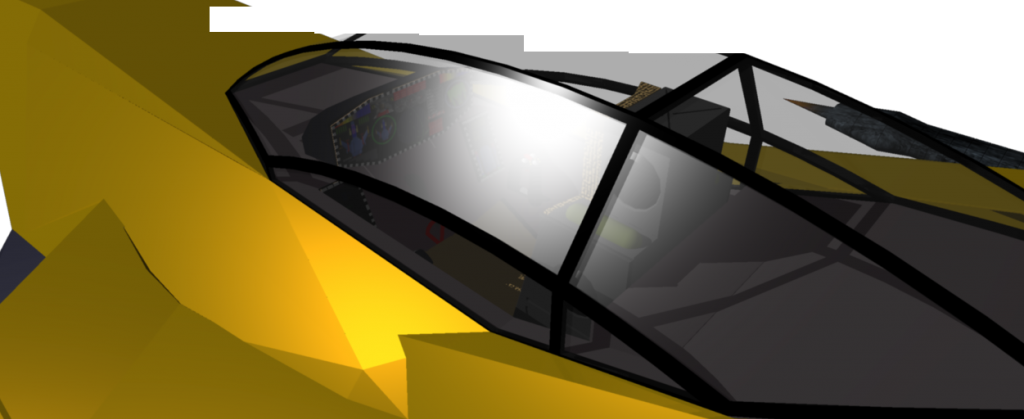
A nice closeup of the cockpit, notice the minimal railing this time around, though I still need to redo that HDD console.


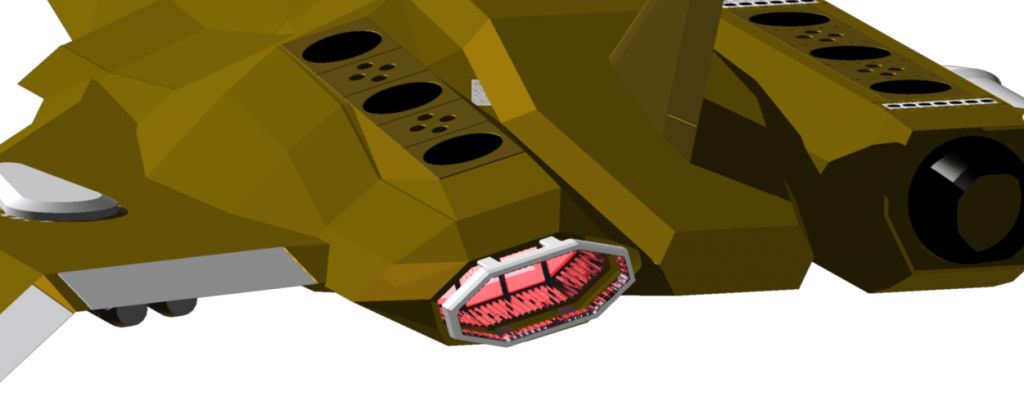
As part of the redesign I really considered the world I'd created.  The confederation has been space faring over a millennium.  In that time they would have something more advanced than simple gas thrusters like I modeled before.  So I sat down and did my research into proposed future propulsion systems, especially ones I could have double as thermal radiators.  The result is the hexagonal magnetic accelerator panels seen above that accelerate miniscule particles up to extreme speeds to kick the fighter around.  The downside, they burn out quick and require regular replacement.  Little details like this add a lot of realism to a story,


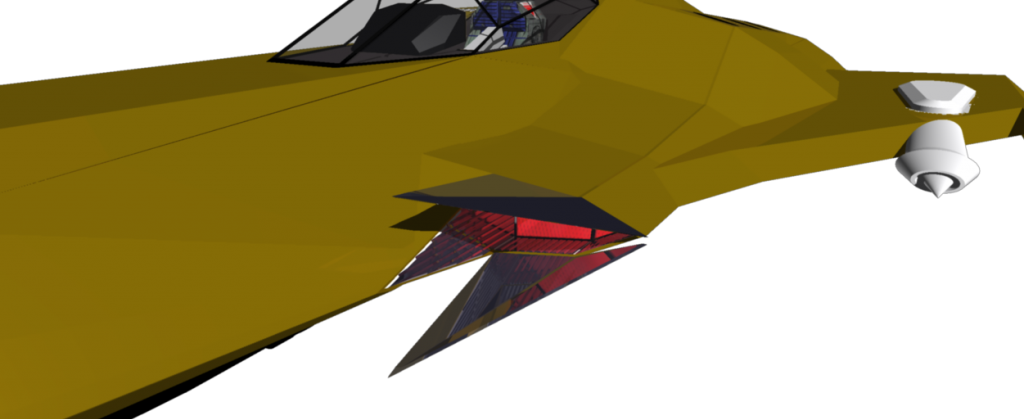
At this point, the single vertical stab just looked out of replaced with twin stabs.  Also, chekc the mirror image beneath.  That red panel is landing gear that I preserved from the earlier version.  But that grey panel next to it, that slides away to reveal an internal missile bay.  This is also a good time to point out the grills on the front of main engine.  Those serve two purposes:  #1 they are hydrogen ram scoops allowing the fighter to self refuel while on patrol or if it comes to a nice hydrogen gas giant.  #2 they act as thermal radiators, venting away excess heat.


Tt's all in the details.  For the most part, the grey bits in these shots are parts that carried over from the last version or we only minimally modified to onto the new design.  Next step texturing.

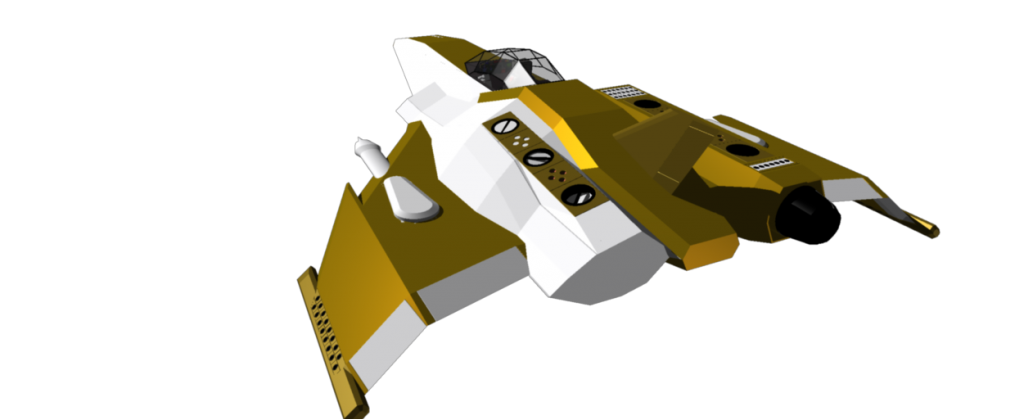
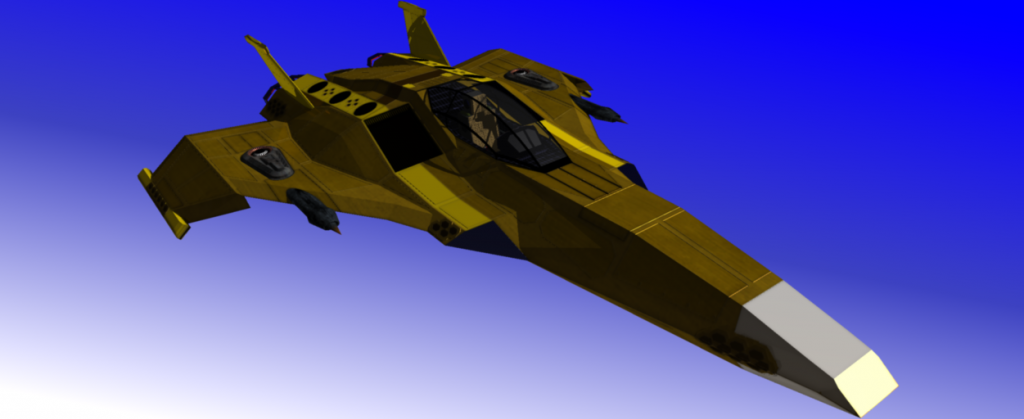
Standard Cadet Scheme
Fleet, Light Fighter
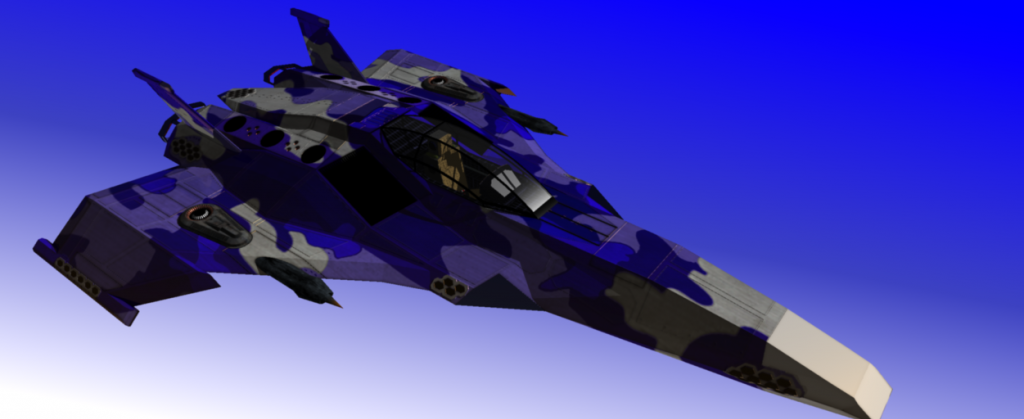
Sukhoi Flanker Inspired Scheme
Factory Fresh

These images serve to illustrate how much easier the new texturing method is and how it has allowed me to create various schemes with much greater ease as seen with the trio of fighters that grace the cover of Spiral War: On Dagger's Wings.

Cover Fighters